Buy IPTV: The Ultimate 2026 Guide to Premium Streaming Subscriptions
This guide covers everything you need to know about Buy IPTV, with practical, up to date information.
Understanding IPTV: How Next-Gen Internet Streaming Works in 2026
Traditional cable broadcasts signals across a dedicated coaxial or satellite network, pushing every channel to your receiver simultaneously. Internet Protocol Television operates differently by sending only the specific program you request through your broadband connection. When you buy IPTV subscriptions today, you access a network that uses standard internet protocols to package video data into streamable packets. Modern providers rely heavily on edge computing nodes stationed close to end users, which significantly reduces the buffer time and ping latency that once plagued live streaming platforms.
At the functional level, your television or media device communicates with the provider backend through specific middleware standards. Most subscribers connect using Xtream Codes APIs or M3U playlist configurations loaded into specialized applications like TiviMate or IPTV Smarters. On the server side, live feeds and video-on-demand assets are processed using efficient compression codecs such as AV1 and H.265 (HEVC). These codecs allow crisp 4K channels to stream smoothly over standard residential broadband connections, requiring roughly half the bandwidth of older H.264 streams while preserving higher visual clarity.
Delivering live events without multi-second delays remains the primary technical benchmark for premium network infrastructure. Current IPTV delivery systems rely on protocols like Chunked CMAF (Common Media Application Format) alongside targeted WebRTC integration to lower stream latency to under three seconds from the origin feed. This setup splits incoming video data into micro-chunks that process instantly on your display device rather than waiting for large data blocks to download. Understanding these underlying technical components helps consumers evaluate provider reliability based on actual streaming performance rather than inflated channel counts.
Essential Features to Check Before Buying an IPTV Subscription
Before you decide to buy IPTV subscriptions, the first technical factor to evaluate is server stability and stream delivery. Look for providers that utilize Content Delivery Networks (CDNs) with localized servers to keep latency low. High-definition feeds are standard, but actual performance depends heavily on frame rates. For live sports, native 60 frames per second (fps) on 1080p or 4K channels is critical to eliminate motion blur. Ensure the service uses load-balancing architecture, which prevents buffering during peak traffic events like major sporting matches.
Device compatibility dictates how smoothly you can integrate the service into your home setup. A reputable provider will offer flexible connection formats, notably Xtream Codes API credentials and M3U playlists. These protocols allow you to use established third-party players like TiviMate, IPTV Smarters, or XCIPTV across Amazon Firesticks, Android TV boxes, and Smart TVs. Pay close attention to concurrent connection limits. If family members stream simultaneously on different screens, confirm whether the provider supports multi-room connections or enforces strict single-IP locks.
Lastly, evaluate navigation tools and short-term testing policies. A fully functional Electronic Program Guide (EPG) is necessary for browsing schedules without channel flipping. Look for a catch-up feature spanning at least 3 to 7 days, allowing you to replay missed live broadcasts on demand. Never commit to a multi-month contract right away. Always request a 24-hour trial to test stream loading times, EPG sync, and channel stability during peak evening hours before finalizing your subscription.
Navigating Legal, Underground, and Paid IPTV: Safety & Security Tips
When you decide to buy IPTV, understanding the line between official, licensed operators and underground providers is crucial for both your digital privacy and your wallet. Legal services like YouTube TV or Sling operate with full broadcast rights, offering complete safety at a higher monthly price. Underground or unverified IPTV services offer thousands of global channels for a fraction of that cost, but they operate in a legal grey zone and carry inherent risks. Knowing how to protect yourself before handing over payment details makes all the difference.
Security must be your top priority if you explore unverified providers. Never use your primary debit or credit card to buy IPTV subscriptions on unfamiliar websites. Instead, use masked virtual cards through services like Privacy.com, or opt for cryptocurrency payments to prevent financial data theft. Additionally, always stream through a trustworthy Virtual Private Network (VPN) with a built-in kill switch and AES-256 encryption. A solid VPN hides your streaming traffic from your Internet Service Provider, preventing targeted bandwidth throttling and keeping your real IP address hidden from third-party server hosts.
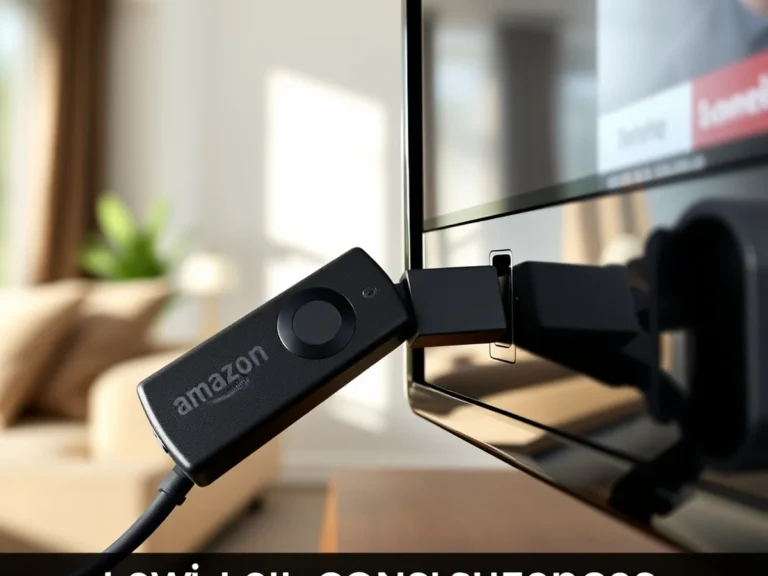
Hardware isolation provides an extra layer of defense. Avoid installing unverified APK files directly on your main personal computer or primary phone. Instead, run these apps on a dedicated streaming device, like an Amazon Firestick or Android TV box, paired with established media player software like IPTV Smarters or Tivimate. Before committing to a full-year contract, research provider track records on community forums, and always test the service with a short trial to evaluate channel uptime and customer support.
Best Streaming Devices and Hardware Options for High-Speed IPTV
Best Streaming Devices and Hardware Options for High-Speed IPTV
Step-by-Step Setup: Installing Your IPTV Package on Any Device
Step-by-Step Setup: Installing Your IPTV Package on Any Device
Evaluating Pricing, Channel Packages, and VOD Libraries
Evaluating Pricing, Channel Packages, and VOD Libraries
Frequently Asked Questions
Frequently Asked Questions